
Graduate
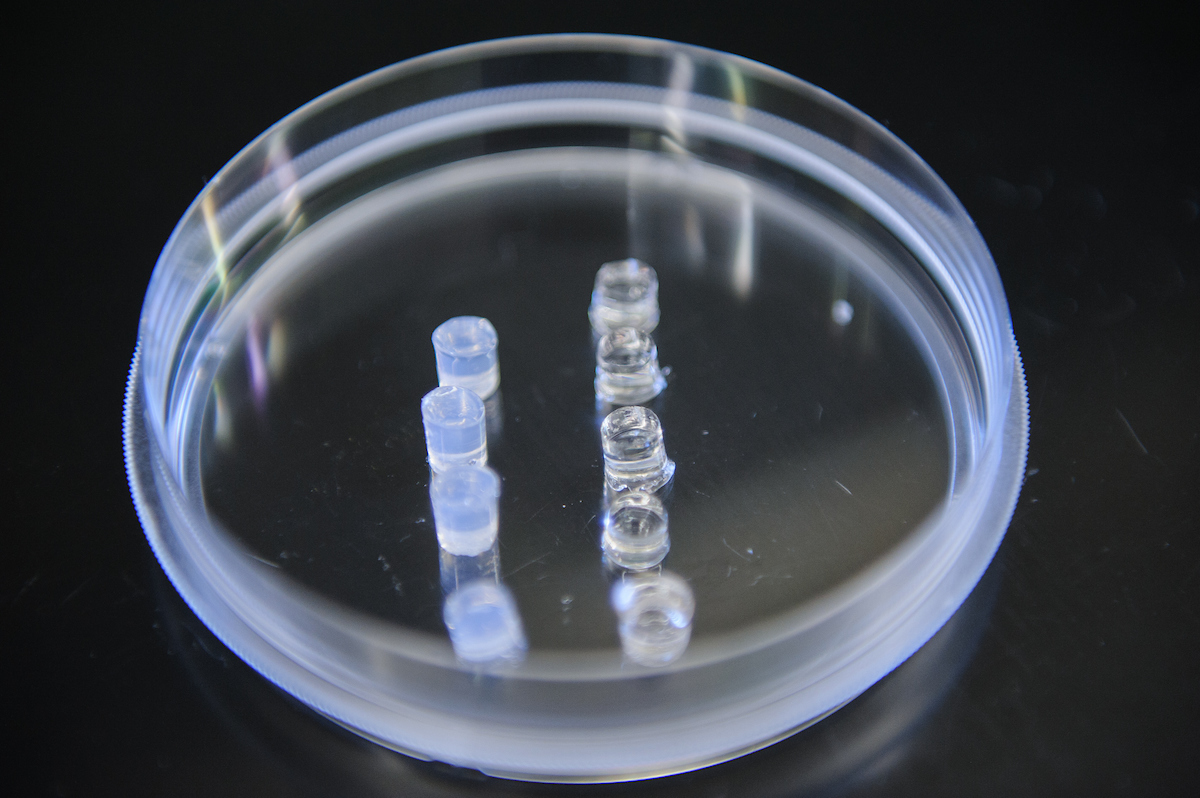
Chemical engineering provides students with real-world experience through laboratory classes, hands-on operation of pilot scale equipment, and research projects that result in clean energy production and medical applications.
Degrees
Applicants for graduate work in chemical and biological engineering must apply for admission to UA’s Graduate School.
Please refer to the Graduate Catalog for specific admission requirements.
For additional information about chemical engineering graduate programs, contact Dr. Yuping Bao.

Graduate Admissions
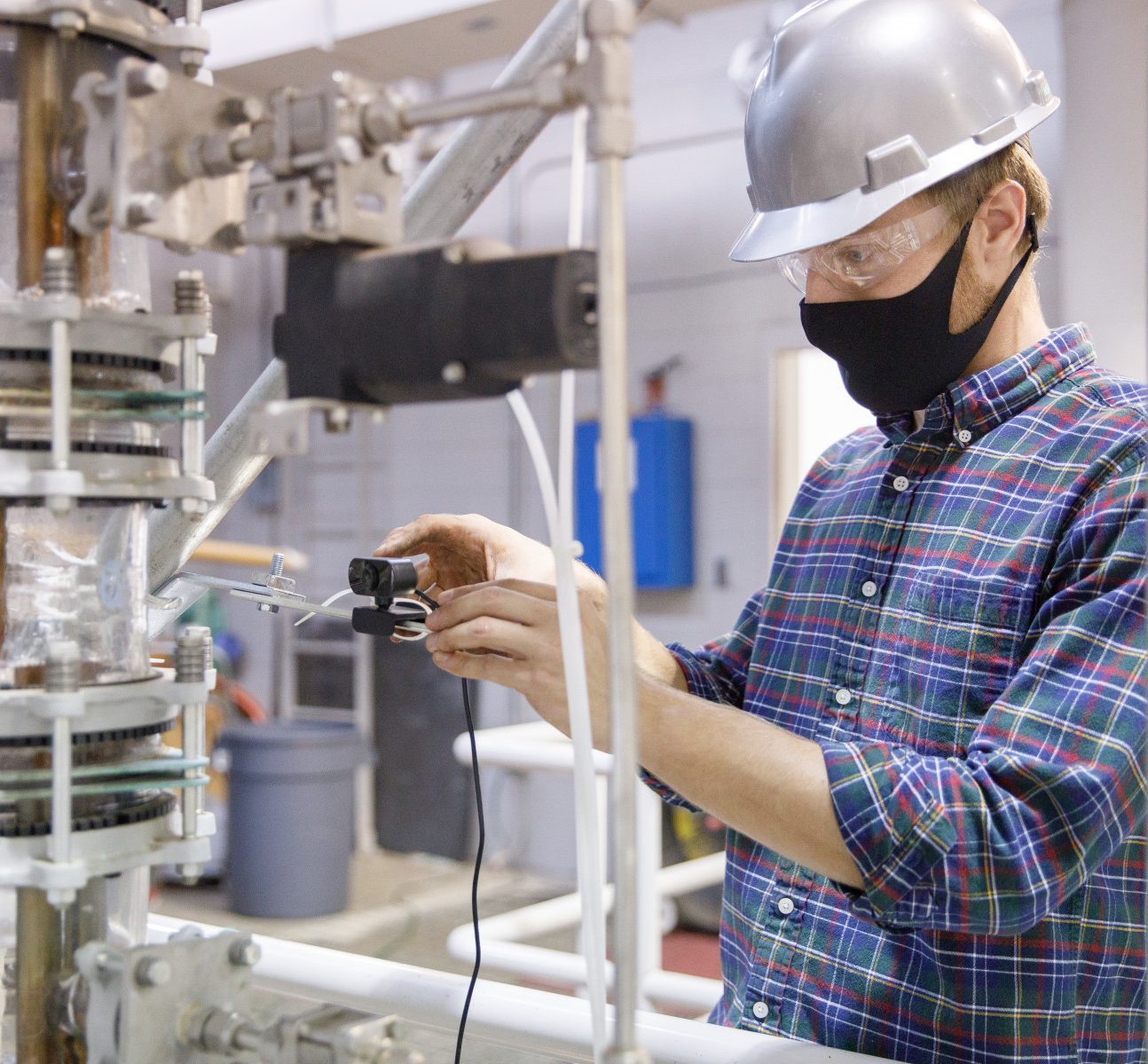
Applicants for graduate work in chemical and biological engineering must apply for admission to UA’s Graduate School. Regular admission may be granted to applicants who have a chemical engineering degree, a Graduate Record Examination general test score of 300 or higher, and an overall GPA above 3.0 on a 4.0 scale. Applicants from related academic programs (chemistry, biochemical engineering, etc.) will also be considered.
Conditional admission may be granted to applicants who do not meet these requirements, for example those who have degrees in related fields or a GPA below 3.0. International students must have a TOEFL score of 550 or higher (or 79 on the iBT, or 6.5 on the IELTS or 59 on PTE) for the consideration of admission to the master’s degree programs and for consideration of admission to the doctoral program. GRE Verbal and Analytical Writing scores must be consistent with the international applicant’s TOEFL score.
Funding Opportunities
About Us
Graduate Student Council
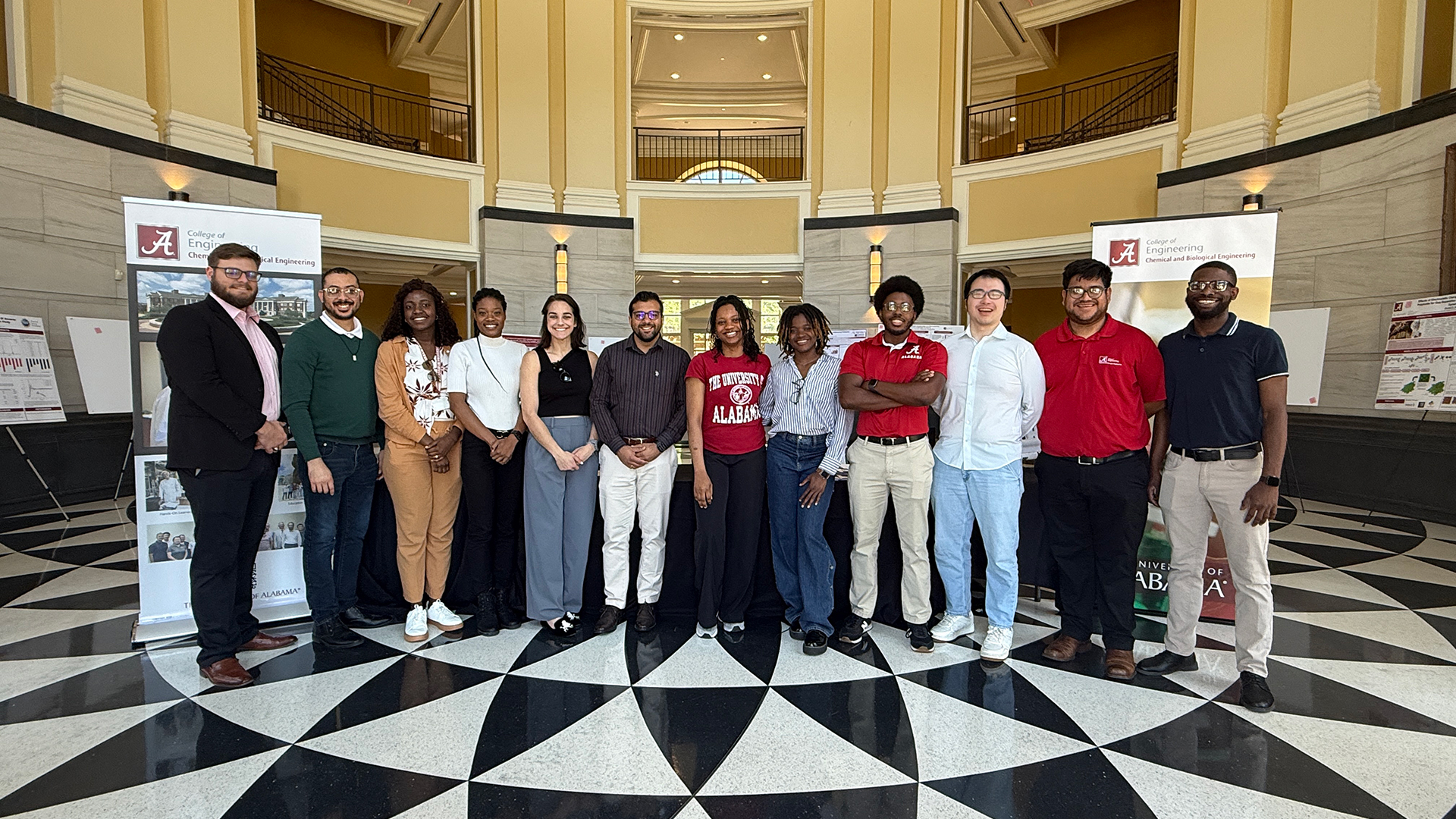
ChBE’s GSC is a student-run organization that serves and advocates for the department’s graduate students (both master’s and doctoral). We serve as faculty-student liaisons and university-level representatives. GSC hosts many events throughout the school year that serve as opportunities for professional and personal growth, including an annual research symposium, monthly professional development lunches, and tailgating events for networking and recruitment.
ChBE Research Areas
Research efforts are concentrated in, but not limited to, biotechnology; computational; polymers and soft materials; electronic materials and devices; and energy and the environment.
- “Green” Chemistry
- 3‐D Printing
- Advanced Materials
- Advanced Polymers and Materials
- Algae Cultivation and Algal Biomass Utilization
- Antibody-Drug Conjugates
- Assembly of Nanomaterials
- Bio/Nanosensors
- Biochemical Engineering for Production of Chemicals
- Biocompatibility and toxicology of nanoparticles
- Bioengineering
- Biomaterials
- Block Copolymers
- Catalysis
- Cell‐Material Interactions
- CO2 Capture Processes
- Computational Screening of CO2 Solvents
- Conjugated Polymers
- Controlled Synthesis
- Drug Delivery
- Drug Discovery
- Drug Resistance
- Electrochemical Engineering
- Electrochemical Engineering for Nanomaterials
- Environmental Catalysis Modeling
- Environmental Remediation
- Fuels
- Functional Material Interfaces for Soft Robotics
- Functionalized Materials for Separation and Catalysis
- Functionalized Membranes for Water Purification
- Green Cosmetics
- High Temperature Coatings
- In‐situ IR Spectroscopy of Thin Film Deposition
- Infrared Spectroscopy
- Interfacial Phenomena
- Intravaginal Rings for (Trans)mucosal Delivery of Drugs
- Ionic Liquids
- Magnetic Hyperthermia
- Manufacturing Cost Modeling
- Materials Characterization
- Mechanical Behavior
- Medical and Health Properties of Berries and Berry Extracts
- Membrane Fouling
- Metabolic Engineering
- Metals
- Microbicides
- Microchannel Devices
- Molecular Sieves
- Mucoadhesive Gels
- Nanodevices
- Nanofibers
- Nanomaterials
- Nanostructures
- Nanotherapeutics
- Natural Products
- Oncology
- Oxidation
- Pharmaceuticals
- Photobioreactor Design
- Polymer Templating
- Polymers
- Process Control
- Process Intensification
- Reaction Engineering
- Sensing
- Simulations of Nanomaterials
- Single-use Bioprocessing Films
- Soil Remediation
- Stretchable Electronics
- Surface Chemistry
- Surface Engineering
- Surface Science
- Surface/Interfacial Engineering
- Synthesis and Characterization of Inorganic Solids
- Synthetic Biology
- Thermodynamics
- Thin-Films
- Tissue Engineering
- Toxicological Evaluation of Novel Materials
- Translational Medicine
- Transport Phenomena in Polymeric Systems
- Tumor Microenvironment
- Vaccines
- Vibrational Spectroscopy
- Water
- Water Treatment
- Wearable Electronics
SEMINARS
Fall 2026 Department of Chemical and Biological Engineering Seminar Series
Time: 11:00 AM to 11:50 AM, Thursdays, Central Time
Location: SERC 1059
Contact: Mingfei Zhao; mzhao17@ua.edu
| Date | Title, Speaker | University/Institute |
|---|---|---|
| October 20 | Interface, I’m thinking of YOU! by Dr. Shudipto Dishari | University of Nebraska–Lincoln |
| November 05 | Vibrational Spectroscopy of Cellulose – From Molecule to Meso-scale Spatial Order by Dr. Seong Kim | Penn State University |
| November 19 | Research Seminar by Dr. Richard Dickinson | University of Florida |
| December 03 | Research Seminar by Dr. Brian F. Pfleger | University of Wisconsin–Madison |